
For example, a company with $30,000 in share capital and $18,000 in retained earnings shows that a significant portion of equity derives from business performance rather than initial investment. Next, add the net income for the period to the beginning retained earnings. If the company incurred a net loss, subtract the net loss from the beginning retained earnings. With tools like Flex, you can simplify financial reporting and maintain a real-time view of your company’s financial position—all while saving time and reducing errors. A statement of retained earnings outlines how an organization’s retained earnings have changed during a specific reporting period — often quarterly or annually. Whatever you do, don’t stop cash flow at one statement; make calculating retained earnings a regular habit monthly, or at least quarterly—it’s good financial practice!
Share This Story, Choose Your Platform!
Companies with a robust stash https://tobiafolayan.com/2022/10/11/financial-risk-management-a-complete-guide/ of retained earnings are the agile ninjas, ready to pounce on opportunities, invest in innovation, and survive downturns better than their debt-laden counterparts. They earn $50,000 in net income and decide to reinvest $30,000 into new materials and expansion, while still paying $20,000 in dividends. This reinvestment fuels their growth, showing how retained earnings are the unsung heroes that help entrepreneurs expand and brave economic storms without begging for outside cash.
C. Evaluates the Company’s Ability to Reinvest
It reflects the cumulative total of retained earnings over the life of the business. At Cledara, we prioritize growth by investing in innovation and retained earning statement acquiring new customers to drive revenue. As a high-growth company backed by institutional investors, our focus remains on scaling rather than generating positive retained earnings at this stage.
- Dividend payments reduce retained earnings because they represent a distribution of profits to shareholders, thus decreasing the amount of accumulated profits retained in the company.
- The retained earnings definition encompasses both accumulated profits and losses since the company’s inception.
- Adjusting the market price per share based on the percentage of the stock dividend is necessary since the announcement of a stock dividend alone has not generated any tangible value for the firm.
- Should your company decide to pay dividends, the exact amount you distribute nibbles away at the net income’s contribution to retained earnings.
- Many more companies are private, meaning their stock and debt is in the hands of a narrow group of investors and banks.
- A statement of retained earnings is a financial report showing changes in your company’s retained earnings over a specific accounting period—usually a quarter or year.
Deduct dividend payments

Retained earnings are a crucial component of a corporation’s equity section, representing the portion of net profits retained within the business rather than distributed as dividends. These earnings reflect the accumulated income over time that can be reinvested into the business or distributed at the company’s discretion, impacting both the balance sheet structure and financing options. Before diving into the preparation of the statement, it is crucial to understand what retained earnings are and why they are important. Retained earnings are the portion of net income that a company retains after distributing dividends to shareholders. They are recorded under the equity section of the balance sheet and can be used for various purposes, including expanding operations, paying off debt, or investing in new projects.
- A pattern of growing retained earnings signals sustainable profitability and effective management.
- You can find this retained earnings statement on its own or it might be a part of an income or balance sheet.
- When a company like Widget Inc. amasses $22,000 in retained earnings, it’s sitting on a springboard for investment opportunities.
- Retained earnings are the cumulative net income of the company after it has paid out dividends to shareholders.
- As shareholders of the company, investors are looking to benefit from increased dividends or a rising share price due to the company’s continued profitability.
- In conclusion, retained earnings play a significant role in the financial management of corporations.
- This closing balance is carried forward to the next period, serving as the opening balance for future statements.
- It provides transparency, helps with financial planning, and contributes to informed decision-making for both managers and investors.
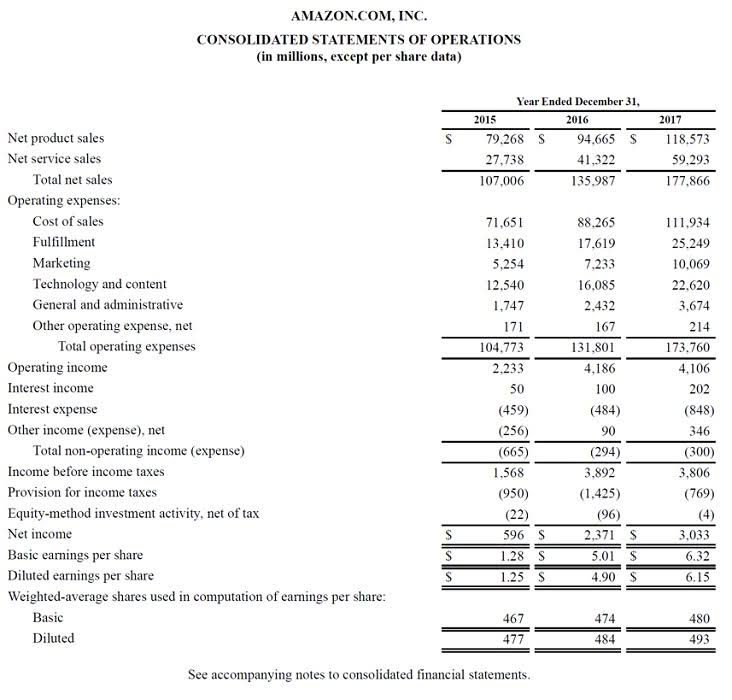
- An income statement is a summary of a company’s revenues and expenses, showing its net income or loss.
- With our stage set and our actors—beginning balance, net income, and dividends—in the limelight, the scene is ready for a demonstration of the retained earnings calculation in action.
- It’s crucial to remember that sales revenue, cost of goods sold, depreciation, and operating expenses—among other line items on your income statement—play a big part in shaping this number.
Doing so can hinder the company’s ability to obtain financing or outside investment. Retained earnings represent the cumulative net income your business has earned, minus any dividends or shareholder distributions you’ve paid out. Think of it as the money your business has decided to keep and reinvest for future growth, rather than distributing to owners.